Guides
Language
EnglishCurrency
US dollar · $Your currency applies on GetYourGuide too.
Guide · Riding
Elephant riding in Chiang Mai: still sold, but should you?
Elephant riding in Chiang Mai has not vanished, yet the most reviewed tours from the city now leave it out. Here is what changed, what the research says and what to book instead.
Editorial team, elephanttourchiangmai.comUpdated October 26, 20266-minute read25 sources
Quick answer on riding
- 01Is it legal?
- Yes: rides are not banned under Thai national law.1
- 02How common?
- 43% of Thailand's captive elephants were still used for rides in 2024/25.2
- 03The objection
- World Animal Protection says rides require cruel training.3
- 04Our pick
- A 7-hour day whose listing says riding is prohibited, from $48.
- 05Simple test
- Read the listing's rules: the better ones say no riding in plain words.
Can you still ride an elephant near Chiang Mai?
Can you ride elephants in Chiang Mai? Technically, yes. World Animal Protection notes that rides, circus shows and elephant painting are not banned under Thai national law.1 In its 2024/25 survey it still found 43% of Thailand's captive elephants used for rides.2 The option exists, even if the tours most travelers book from the city no longer include it.
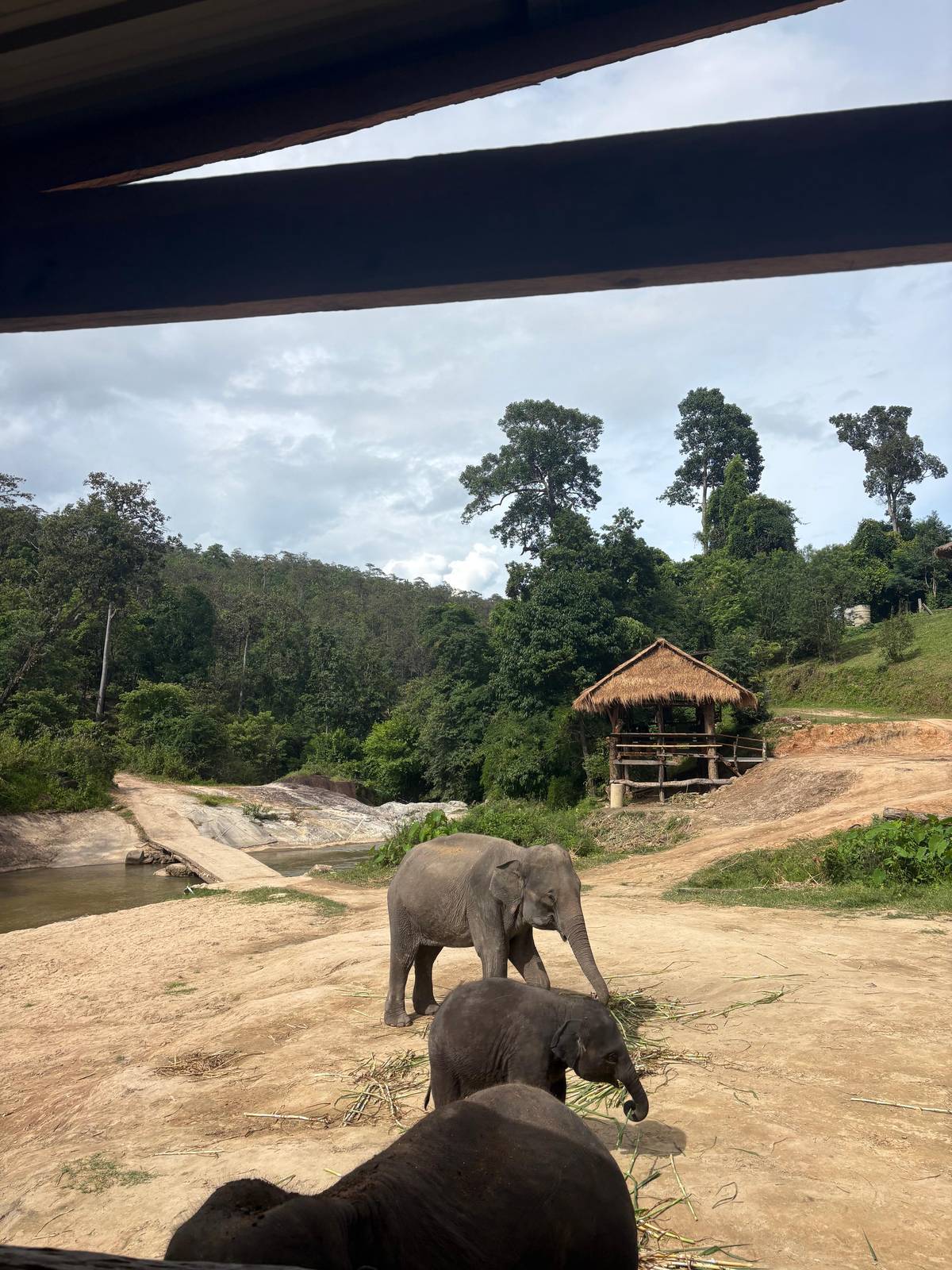
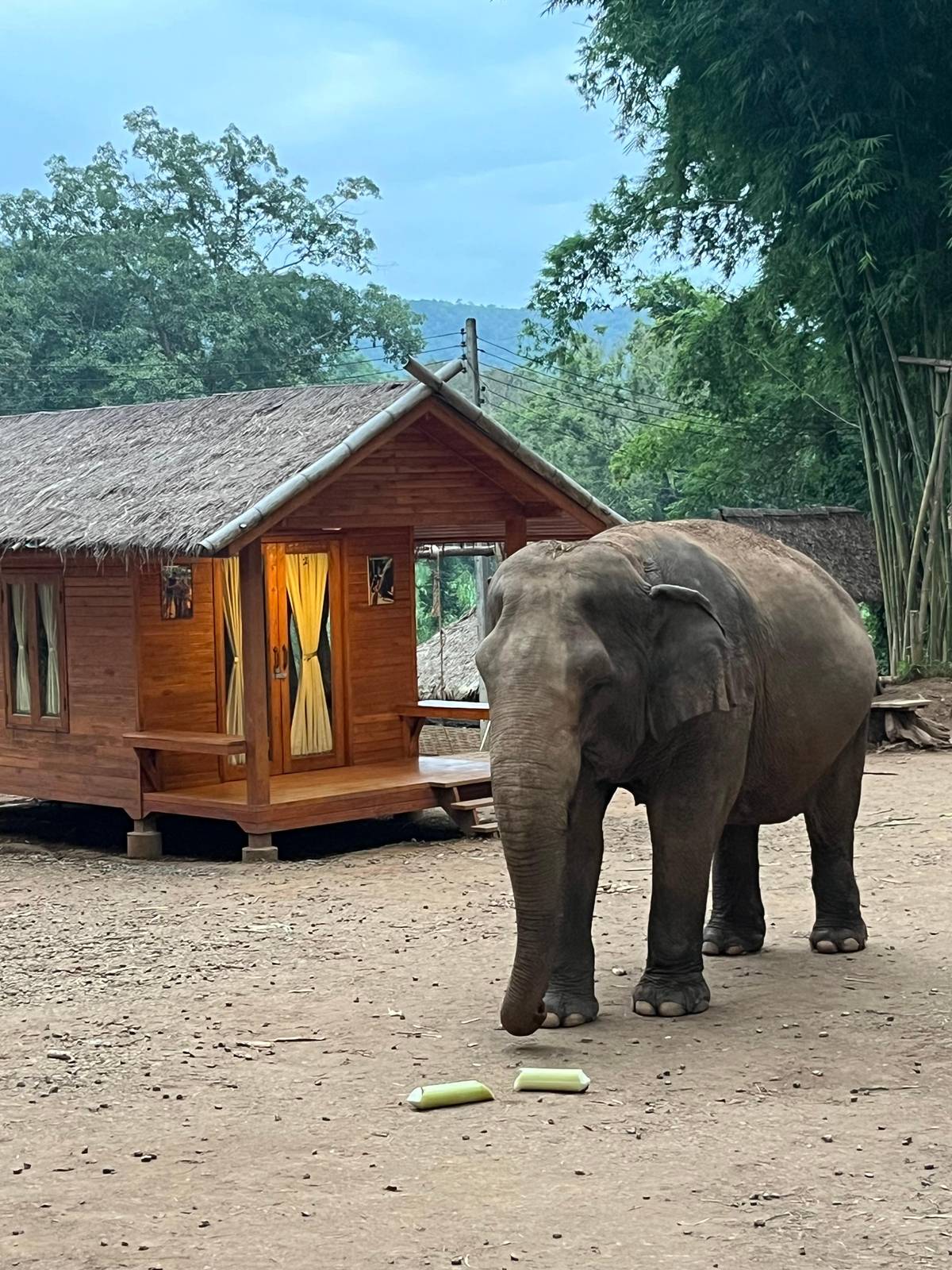
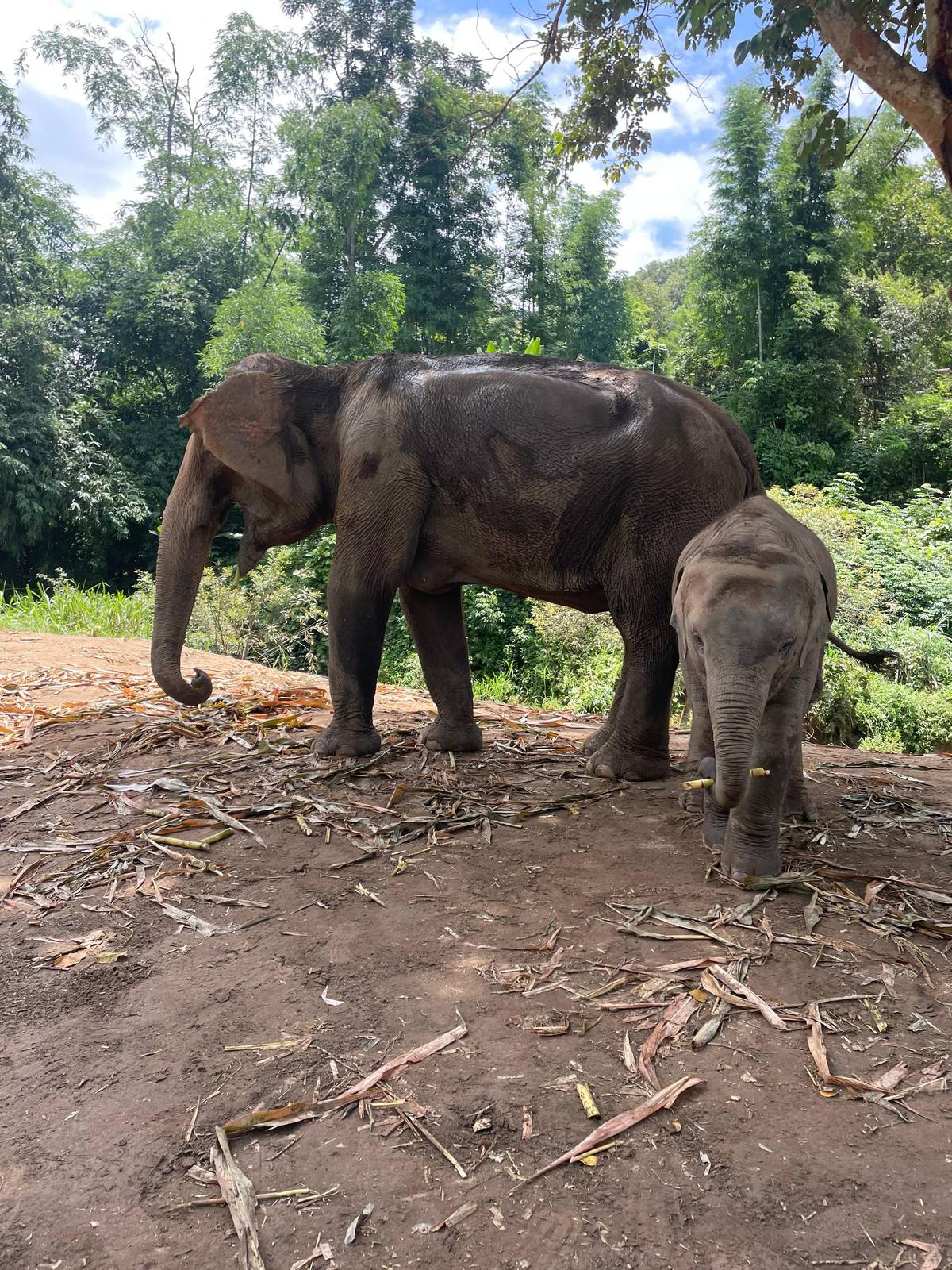
What has changed is the market around it. The most reviewed elephant listings from Chiang Mai on GetYourGuide build their days around feeding, walking and bathing, and several of them write their position on riding into the listing. The 7-hour group day recommended on this page says plainly that elephant riding is prohibited.
The half day this site sells puts riding the animals on its list of things not allowed. A small-group day at the Lanna Kingdom Elephant Sanctuary states no riding. Elephant riding in Chiang Mai has become something you have to seek out rather than something you stumble into. The photos give it away too: a listing whose gallery shows wooden seats strapped to an elephant's back is selling a different day from one showing people standing in a river or walking behind a herd. Look at those pictures before the price.
How it changed
From logging work to riding-free tours
-
1989
Forest concessions end
Tourism becomes the way many domesticated elephants earn their keep.4
-
2010
Rides everywhere
92% of captive elephants are used for rides.2
-
2017
Keepers interviewed
A study with Chiang Mai University talks to 200 mahouts.5
-
2023 to 2030
National action plan
Thailand's elephant conservation plan covers these years.6
-
2024/25
Rides in decline
43% of captive elephants are still used for rides.2
From the logging camps to tourism
To understand why riding was everywhere, it helps to know where the elephants came from. The Tourism Authority of Thailand explains that after the government ended forest concessions in 1989, domesticated elephants struggled to return to the wild and tourism became an alternative way to survive.4 Carrying visitors on their backs was the obvious job for animals trained to haul logs.
TAT also states that Thailand has more domesticated elephants than anywhere else in the world.7 It counts more than 3,000 of them in tourism, living in 250 camps across 22 provinces.8 Research by Chiang Mai University's Faculty of Economics, which TAT cites, puts their tourism income at over 6 billion baht a year.9
Releasing these animals is not a simple answer either. TAT notes that domesticated elephants are unfamiliar with forest life and can be a danger if they wander into towns and villages.10 That is why the debate today is less about whether captive elephants should exist and more about how they are kept and what visitors do with them.
In the listings
What popular tours say about riding
| Tour | Hours | Riding | Price |
|---|---|---|---|
| Waterfall group day | 7 | Prohibited | from $48 |
| Feeding half day | 5 to 5.5 | Not allowed | from $26 |
| Lanna Kingdom small group | 5 to 8.5 | No riding | from $72 |
| No-control day near Doi Inthanon | 7 | No riding, no commands | from $52 |
| Mae Taeng valley day (Viator) | 8 | No rides or shows | from $55 |
Wording paraphrased from each listing's own rules; prices are starting prices.
Decision helper
Pick a riding-free day
Start from the kind of contact you are comfortable with.
7 hours including 3 with the elephants; riding is prohibited.
5 to 5.5 hours from $26, riding not allowed.
Up to 10 people, and the listing states no riding.
No riding, no controlled walking, no mandatory bathing, no commands.
there are risks around the activity’s repetitiveness, the substrate it is carried out on, the weight carried and the need for training.
What the numbers show since 2010
World Animal Protection has surveyed Thailand's elephant venues since 2010. In that first survey, 92% of the captive elephants were used for rides; by 2024/25 the figure had fallen to 43%.2 Shows dropped too: 21% of the elephants lived at venues with shows in 2024/25, against half in 2010.14
The percentages flatter the change. The number of captive elephants grew by more than 70% over the same period, so the number used for rides fell by only about 20%, from 1,519 to 1,217 animals.15 Riding, in other words, shrank as a share of the industry while the industry itself grew around it.
The welfare scores tell a similar story. In the charity's assessment, venues with shows averaged 3.05 and venues with riding 3.32, the two lowest results, while venues offering washing averaged 5.16.1112 A higher score is no seal of approval, and the charity treats washing as a concern too.16
Checklist
Spot a riding camp before you pay
Read the listing
- Look for a clear line on riding in the rules
- Check what is listed as not allowed
- Look at the photos: saddles and seats are a giveaway
On the day
- Ask the guide what the elephants do after visitors leave
- Keep the distance the keepers ask for
- Report mistreatment through the DLD4.0 app17
Cost calculator
Price a riding-free day for your group
Pick a tour and the number of travelers.
Total from$95
per head from $48
Check availabilityfree cancellationPer-person starting prices from the listings, turned into your currency at the ECB reference rate; the booking page shows the final sum.
Video
Elephant rides in Thailand: a documentary look
Until you tap play, the video stays unloaded.
Why welfare groups object to riding
The central objection is about training. World Animal Protection says that using elephants for tourist interactions, rides or shows requires them to be trained cruelly.3 It describes the process known as the crush, which involves restraint, severe pain and withholding food and water to make elephants submit.18
The charity adds that most elephants used for rides or shows are kept on chains when they are not working and cannot socialize.19 Its visitor guide lists the chance to bathe and ride elephants as a red flag and advises watching elephants behave naturally from a distance instead.1620
Supporters of riding sometimes argue that it gives the animals exercise. World Animal Protection answers that such activity can help only where the alternative is a chained elephant, and that the risks lie in the repetition, the ground it happens on, the weight carried and the training it needs.13
Bathing and feeding are not a clean break
Leaving out the saddle does not settle every question. World Animal Protection found that as rides and shows became less acceptable, elephant washing boomed, and the number of washing venues in Thailand more than tripled.21 It counts the chance to bathe elephants as a red flag alongside riding.16
It also notes that some venues run a separate site branded as more ethical while still offering rides and shows at the main one.22 A name with sanctuary, rescue or retirement in it is no proof on its own. Read what the listing says the elephants do all day, not just what you will do with them.
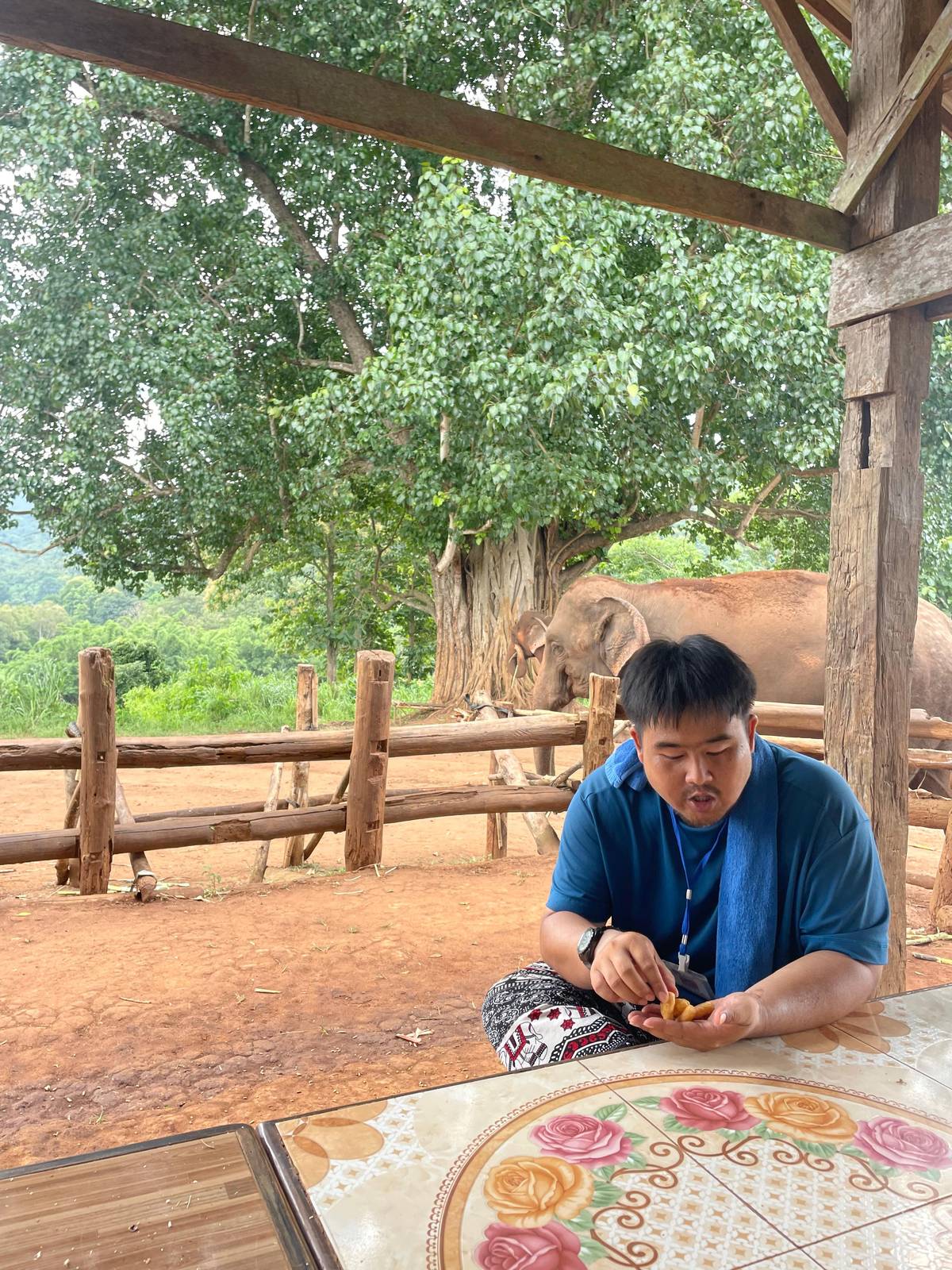
That does not make every bathing day the same as a ride, and the listings recommended here are open about what they include. It does mean the honest way to choose is to look at the whole day, ask yourself how much contact you want, and book with your eyes open. A guide who answers questions about where the elephants sleep, how they are fed when visitors leave and how long each has lived at the camp is usually a good sign; vague answers are worth noting.
What the travel industry and the state are doing
Pressure has come from the companies that sell trips. More than 200 travel companies have joined World Animal Protection's Wildlife-Friendly initiative and pledged not to sell or promote captive wild animal entertainment.23
On the government side, TAT reported that the Department of Livestock Development had proposed a compulsory welfare standard for domesticated elephants under the Cruelty Prevention and Animal Welfare Act, with venues to be examined and audited.24 The same report described plans for an Elephant Act and a dedicated government unit for captive elephants.25
World Animal Protection notes that Thailand's National Elephant Conservation Action Plan runs from 2023 to 2030.6 If you see an elephant being mistreated, the Department of Livestock Development lets the public report it through its DLD4.0 mobile application.17
Riding-free days worth booking
If you want time with elephants without a ride, the choice from Chiang Mai is wide. The day recommended on this page lasts 7 hours, of which the elephants at Pon Elephant Thailand take 3 and the Mae Wang Waterfall 1; each leg in the van takes 80 minutes. It starts from $48 and has 5,935 reviews averaging 4.89.
For a shorter morning, the feeding half day at the same park takes 5 to 5.5 hours and costs from $26. For a day centered on watching, a Viator tour visits a camp in the Mae Taeng valley that keeps a herd of 16 elephants with no rides or shows.
One listing near Doi Inthanon National Park describes a no-control policy with no riding, no controlled walking, no mandatory bathing and no commands. Whichever you choose, the habit to keep is the same: read the rules on the listing, and if riding is not mentioned at all, ask before you book. A short message to the operator costs nothing and gets you a straight answer.
Your morning out
Grass, sugarcane and a river bath with the herd.
A meeting point in Chiang Mai or at the park, fruit and water included, free cancellation until a day before.


You ask,we answer.
Can you ride elephants in Chiang Mai?
Yes, but fewer tours offer it. Rides are not banned under Thai national law, and 43% of Thailand's captive elephants were still used for rides in 2024/25.12
Is elephant riding illegal in Thailand?
No. World Animal Protection notes that rides, circus shows and elephant painting are not banned under national law.1
Why don't the popular tours offer riding?
Welfare concerns and demand. World Animal Protection says rides require cruel training, and more than 200 travel companies have pledged not to sell such entertainment.323
Does the site tour include riding?
No. Riding the animals is on the half day's list of things not allowed.
Is bathing elephants better than riding?
It depends whom you ask. World Animal Protection lists both bathing and riding as red flags; washing venues scored higher than riding venues in its assessment.161112
How can I report elephant mistreatment in Thailand?
Through the DLD4.0 app. The Department of Livestock Development lets the public report an abused or mistreated animal through its DLD4.0 mobile application.17
Doesn't riding give elephants exercise?
Only in a narrow sense. World Animal Protection says it helps only compared with chaining, and points to the repetition, ground, weight carried and training involved.13
Sources
Where the information comes from
- 1World Animal ProtectionBred to Entertain: Thailand elephant tourism assessment (2026 report)↩
- 2World Animal ProtectionBred to Entertain: Thailand elephant tourism assessment (2026 report)↩
- 3World Animal ProtectionBred to Entertain: Thailand elephant tourism assessment (2026 report)↩
- 4Tourism Authority of Thailand (TAT Newsroom)TAT organises forum to enhance "Elephant Care Tourism" (18 August 2020)↩
- 5World Animal ProtectionBred to Entertain: Thailand elephant tourism assessment (2026 report)↩
- 6World Animal ProtectionBred to Entertain: Thailand elephant tourism assessment (2026 report)↩
- 7Tourism Authority of Thailand (TAT Newsroom)TAT organises forum to enhance "Elephant Care Tourism" (18 August 2020)↩
- 8Tourism Authority of Thailand (TAT Newsroom)TAT organises forum to enhance "Elephant Care Tourism" (18 August 2020)↩
- 9Tourism Authority of Thailand (TAT Newsroom)TAT organises forum to enhance "Elephant Care Tourism" (18 August 2020)↩
- 10Tourism Authority of Thailand (TAT Newsroom)TAT organises forum to enhance "Elephant Care Tourism" (18 August 2020)↩
- 11World Animal ProtectionBred to Entertain: Thailand elephant tourism assessment (2026 report)↩
- 12World Animal ProtectionBred to Entertain: Thailand elephant tourism assessment (2026 report)↩
- 13World Animal ProtectionBred to Entertain: Thailand elephant tourism assessment (2026 report)↩
- 14World Animal ProtectionBred to Entertain: Thailand elephant tourism assessment (2026 report)↩
- 15World Animal ProtectionBred to Entertain: Thailand elephant tourism assessment (2026 report)↩
- 16World Animal ProtectionElephant experiences to avoid when travelling↩
- 17Tourism Authority of Thailand (TAT Newsroom)TAT organises forum to enhance "Elephant Care Tourism" (18 August 2020)↩
- 18World Animal ProtectionTips to spot an elephant-friendly venue↩
- 19World Animal ProtectionTips to spot an elephant-friendly venue↩
- 20World Animal ProtectionElephant experiences to avoid when travelling↩
- 21World Animal ProtectionIs elephant bathing ethical? Reasons tourists should avoid this activity↩
- 22World Animal ProtectionBred to Entertain: Thailand elephant tourism assessment (2026 report)↩
- 23World Animal ProtectionBred to Entertain: Thailand elephant tourism assessment (2026 report)↩
- 24Tourism Authority of Thailand (TAT Newsroom)TAT organises forum to enhance "Elephant Care Tourism" (18 August 2020)↩
- 25Tourism Authority of Thailand (TAT Newsroom)TAT organises forum to enhance "Elephant Care Tourism" (18 August 2020)↩